Page failed to load

Your browser has outdated cached files that are preventing this page from loading.

Click Clear Cache & Reload to fix this, or try a private/incognito window.

Searchshop Home
Find a DealerFinancing
|||
Browse Vehicles
  • ATVs & UTVs
  • Autos
  • Boats & PWCs
  • Motorcycles
  • RVs
  • Snowmobiles
Resources
  • How It Works
  • Dealers
  • All Resources
  • Top 10 Dealers USA
  • Financing
  • Buying Guides
  • Vehiscore™
Company
  • About Us
  • Contact
  • Advertise With Us
  • For Suppliers
  • Insurance
  • Privacy Policy
  • Terms of Service
  • Return Policy
  • Site Map
Searchshop Deal Radar

Know when the price drops.

Weekly deal alerts on RVs, boats, autos, cycles, and more — delivered to your inbox before they sell.

Price drop alertsNew listing picksHidden gems & steals

Free · No spam · Unsubscribe anytime

About Searchshop

Searchshop is committed to improving the vehicle buying experience for everyone, by offering a large selection of new and used vehicles with transparency to help consumers make the right choices. Use our tools to analyze prices, read reviews, research pricing history, and search thousand of listings.

Connect With Us:

© 2026 Searchshop. All rights reserved.

Home
ATVs & Powersports
Articles
Buying a Used ATV
Detecting Bad Shocks: Essential Tips for Used ATVs
Buying a Used ATV

Detecting Bad Shocks: Essential Tips for Used ATVs

By Alana Azzouz14 min readOctober 29, 2024Updated January 2, 2026
Detecting Bad Shocks: Essential Tips for Used ATVs

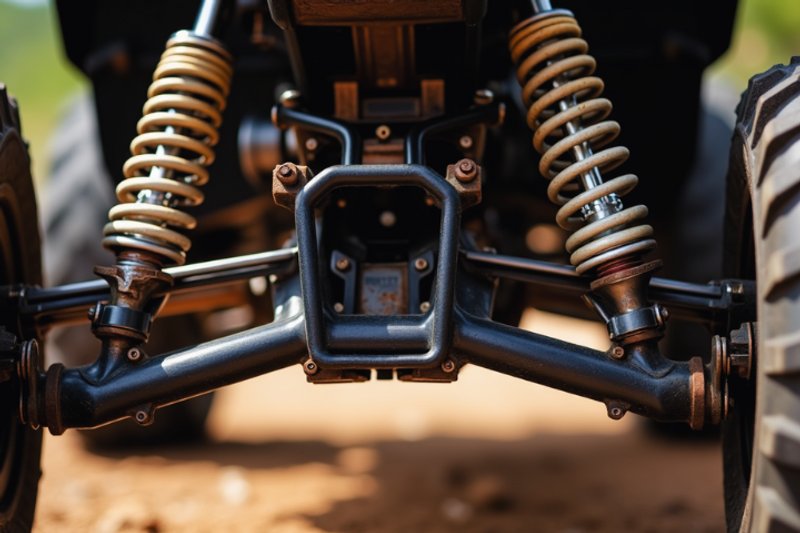
ATV shocks play a crucial role in ensuring a smooth and safe ride on all-terrain vehicles. These vital components absorb bumps and impacts, providing stability and comfort for riders. However, over time, ATV shocks can wear out, leading to reduced performance and potential safety hazards. Recognizing the signs of bad shocks is essential for ATV owners, especially when considering a used vehicle purchase.

This article will guide readers through the process of detecting faulty ATV shocks. It covers visual inspection techniques, performance-based detection methods, and common indicators of worn shock absorbers. Additionally, it explores when and how to adjust ATV suspension or replace shocks entirely. By understanding these aspects, ATV enthusiasts can maintain their vehicles' optimal performance and extend their lifespan.


VISUAL INSPECTION OF ATV SHOCKS

A thorough visual inspection is the first step in detecting bad ATV shocks. This process involves carefully examining the shock absorbers for any visible signs of wear, damage, or malfunction. By conducting regular inspections, ATV owners can identify potential issues early and maintainoptimal performance of their vehicles.

Checking for oil or gas leaks


One of the most obvious indicators of faulty ATV shock absorbers is the presence of leaks. Owners should look for oil seeping from the shock absorber, which suggests a problem with the seals. To detect gas leaks, they can apply soapy water to the seals and watch for bubbling, which indicates escaping nitrogen gas. These leaks compromise the shock's ability to function properly and require immediate attention.

Identifying rust or dents


Rust and dents on the shock absorber body can significantly impact its performance. These issues can limit the movement of the interior piston, affecting the ATV's ability to absorb bumps and maintain stability. Riders should carefully inspect the entire length of the shock absorber for any signs of corrosion or physical damage. If rust or dents are present, it's advisable to replac

Enjoyed this article?

Share it with your fellow powersports enthusiasts and help spread the knowledge!

More ATV Reviews

  • Side by Side vs ATV Choosing Your Off-Road Vehicle
  • Finding the Best ATV for Beginners in 2025
  • Essential Checklist for Buying a Used ATV
  • Used ATV Values: What You Need to Know
  • Used ATV Values: What Affects Their Prices?
  • How to Buy an ATV A Guide to Your First Four Wheeler