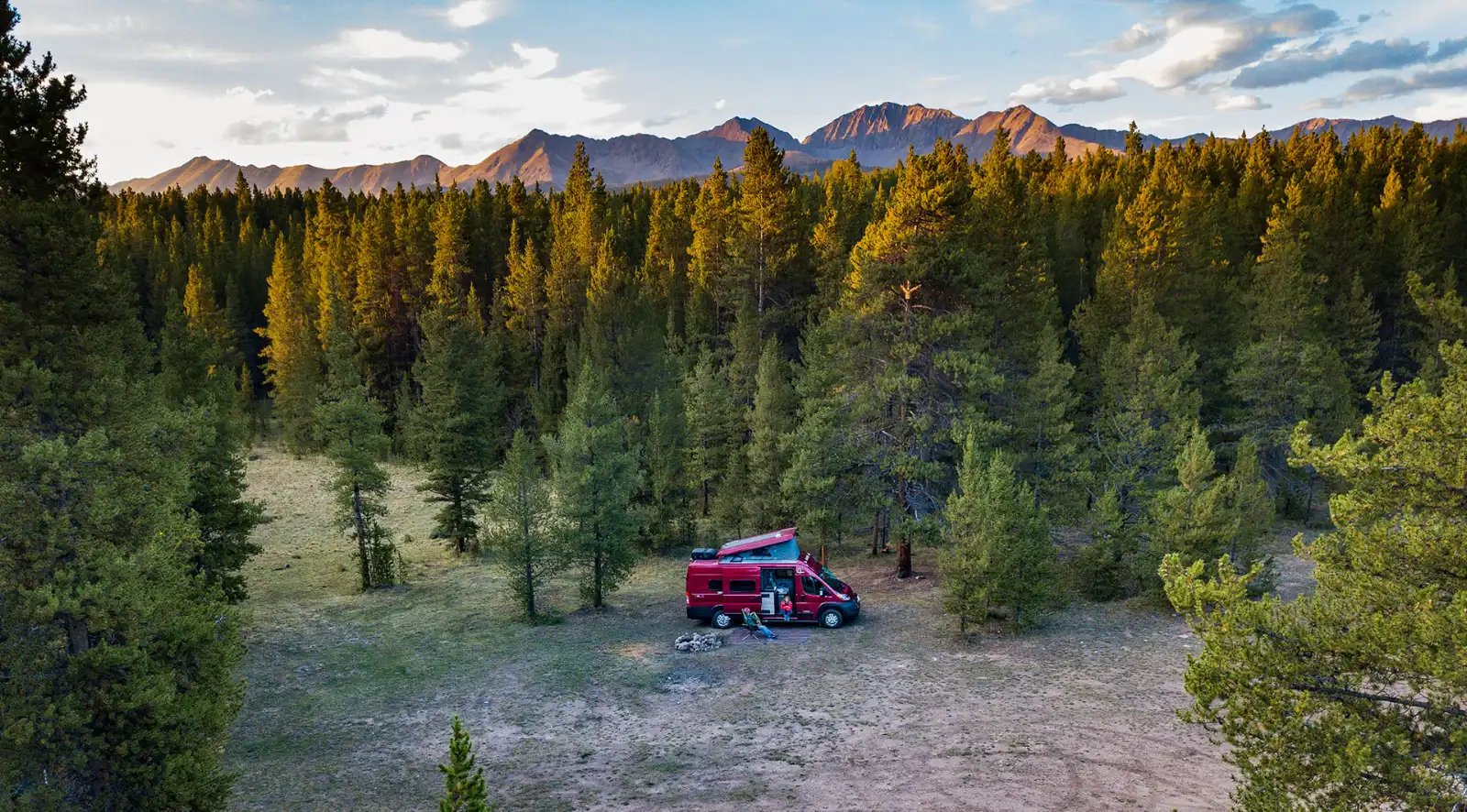
 The Winnebago Solis camper van is one of the most popular Class B RVs on the market today, and for good reason. It hits that perfect balance between a daily driver and an adventure-ready rig, all built on the reliable Ram ProMaster chassis. It’s a top choice for a wide range of buyers—from families and couples to solo adventurers who are shopping for a compact but seriously capable home on wheels.
If you've started your search for the perfect camper van, the Winnebago Solis has undoubtedly appeared on your list. This guide is for anyone trying to decide if it's the right investment for their travel dreams. It has quickly become a go-to for all kinds of travelers, whether they're full-time nomads or weekend warriors.
The real appeal of the Solis is how it blends rugged capability with the comforts of home. Think of it as a Swiss Army knife on wheels. It’s compact enough to handle city traffic and fit in a normal parking spot, but it’s also equipped for long trips off the grid. It’s this dual personality that so many RV shoppers are looking for.
At its core, the Winnebago Solis is built for year-round travel. Some vans are strictly for sunny weather, but the Solis is designed to handle all four seasons. You'll find features that keep you comfortable whether you're chasing summer heat or fresh powder. This all-weather readiness is a huge selling point for anyone who doesn't want the forecast to dictate their travel plans.
What makes it so versatile? A few key things stand out:
-
A Proven Chassis: The Solis rides on the dependable Ram ProMaster chassis. It's known for its nimble front-wheel-drive handling and a turning radius that’s surprisingly tight for a van.
-
Smart Interior Design: Inside, every single inch is used wisely to maximize space without making you feel claustrophobic. You'll find clever storage nooks and furniture that does double duty.
-
All-Weather Features: With insulated water lines, a powerful heating system, and durable construction, the Solis is way more than just a summertime camper.
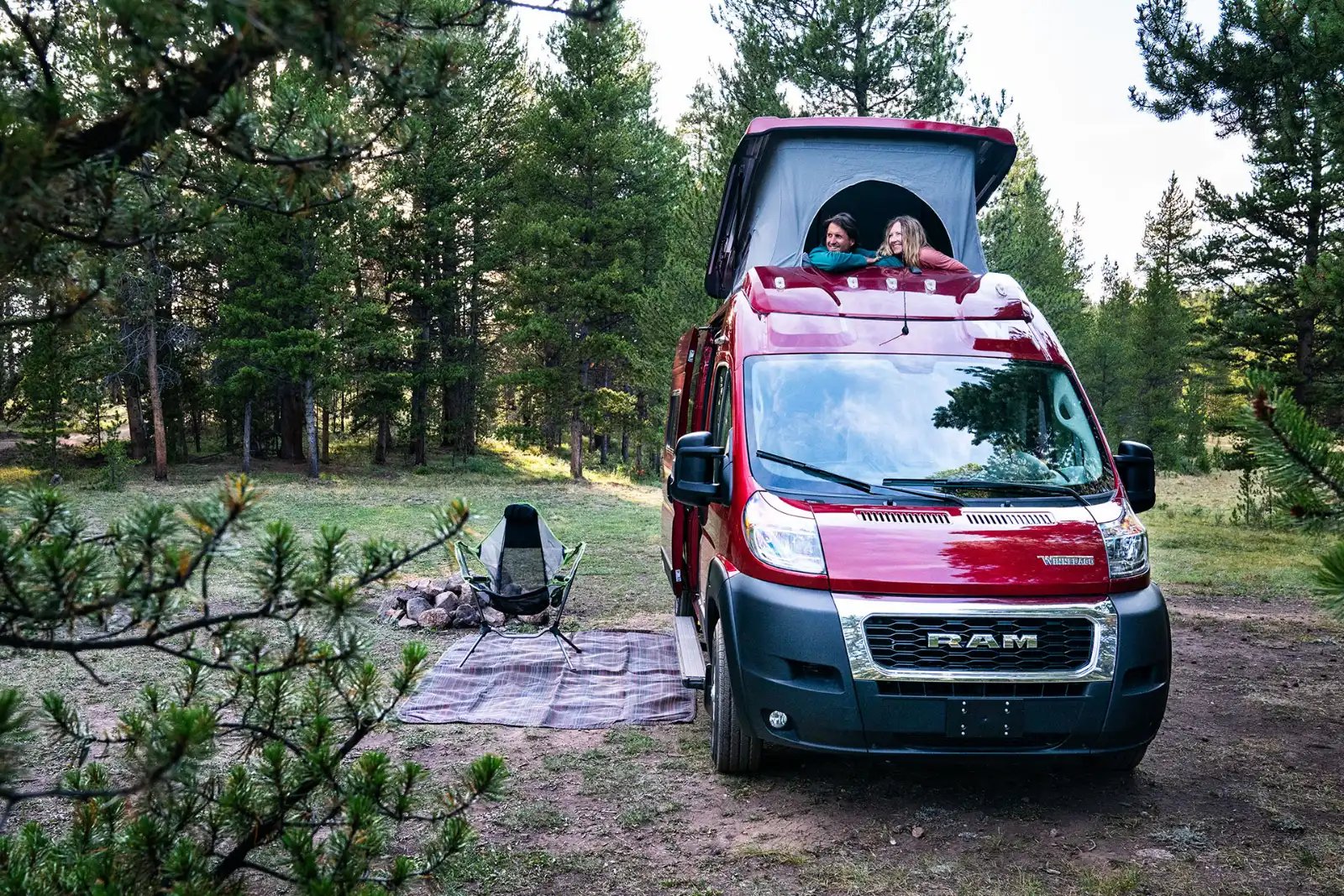
You can't talk about the Solis without mentioning its signature pop-top roof. This one feature completely transforms the van's value proposition. It instantly turns a two-person camper into a family-friendly rig that sleeps up to four. It's like adding a cozy second-story loft to your adventure base, complete with a comfy bed and killer views.
The ability to comfortably sleep four people in a van under 21 feet long is a game-changer. It opens up van life to small families who might otherwise feel forced to purchase a larger, more cumbersome Class C motorhome.
This mix of smart design and genuinely useful features makes the Solis a heavy hitter in a crowded market. It’s not just a vehicle; it’s a well-designed launchpad for your travel dreams. In this guide, we'll walk through everything you need to know to decide if the Solis is the right RV for you.
When you're ready to buy a Winnebago Solis, one of the first decisions you'll face is the floorplan: the 59P or the 59PX. At first glance, they seem almost identical, but they're built for two very different kinds of road trips. Think of it like choosing between a nimble hatchback and a station wagon—one is perfect for zipping around town, while the other is made for hauling gear on a long family vacation.
The Solis 59P is the shorter, more agile of the two. It’s a dream to drive in the city and fits into regular parking spots without a second thought. This makes it an amazing choice for weekend getaways, as a second vehicle, or for any buyer who values a smaller, more maneuverable footprint.
On the flip side, the Solis 59PX is built for the long haul. It has an extended rear section that creates a massive "gear garage" for stashing bikes, climbing gear, or whatever your adventure demands. This is the model for people planning epic cross-country trips who need that extra space to live comfortably on the road for weeks at a time.
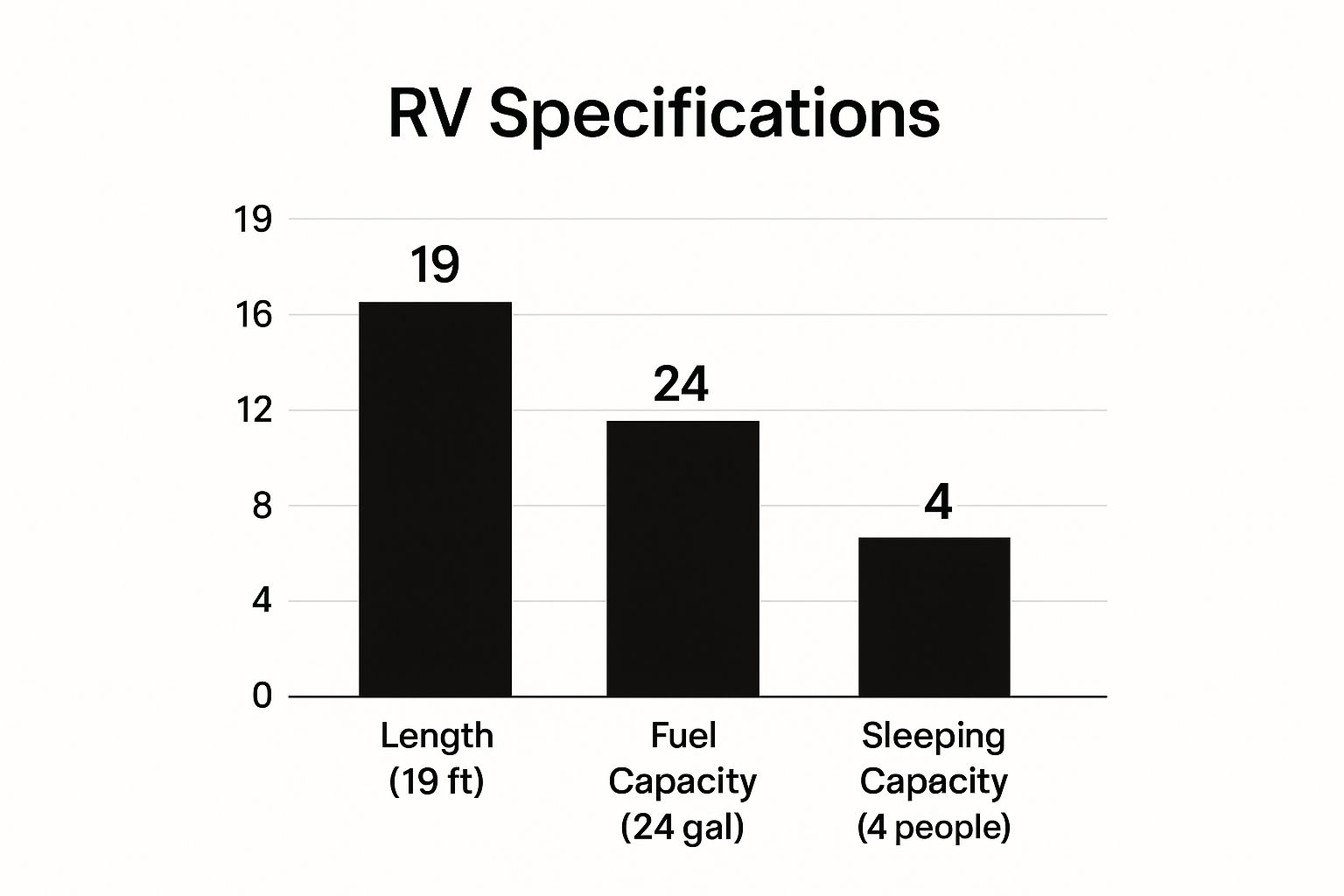
No matter which one you pick, the Solis is designed to sleep four, making it a fantastic option for couples, friends, or small families ready to invest in a new way to travel.
The biggest thing separating the 59P and 59PX is their overall length. Both are built on the workhorse RAM ProMaster chassis, giving them a reliable and smooth ride, but that extra bit of length on the 59PX changes everything.
The 59P clocks in at 19'9", while the 59PX stretches out to 21'. That extra foot and three inches might not sound like much on paper, but in the real world, it’s a game-changer for storage.
That added space in the 59PX is dedicated entirely to a rear storage area, complete with an exterior wash station for hosing off muddy boots or sandy gear. This is the feature that outdoor enthusiasts drool over. You can slide two mountain bikes in without taking them apart or toss wet kayaks and paddles in the back, keeping your living area clean and dry. The 59P, in contrast, ends right at the back of the Murphy bed, giving you that compact profile but sacrificing dedicated gear storage.
Beyond pure storage, the other major dividing line is climate control. The Solis 59PX comes right from the factory with a super-quiet Coleman-Mach 10 NDQ air conditioner as a standard feature. If you plan on camping anywhere hot, this is a must-have feature.
For the 59P, air conditioning is an optional upgrade, and here’s the crucial catch: you can only get it on models without the pop-top roof. This creates a tough choice for many buyers. If you need A/C to survive summer trips but also want the pop-top for the kids or guests, the 59PX becomes your only real option. It's a key decision that will dictate where and when you can travel comfortably.
To really see the differences side-by-side, it helps to break down the key specs. This table highlights the most important distinctions to help you choose the right Solis floorplan.
|
Feature
|
Solis 59P
|
Solis 59PX
|
|
Exterior Length
|
19'9"
|
21'
|
|
Rear Gear Garage
|
No
|
Yes
|
|
Air Conditioner
|
Optional (not available with pop-top)
|
Standard (Coleman-Mach 10 NDQ)
|
|
Freshwater Tank
|
20 Gallons
|
20 Gallons
|
|
Sleeping Capacity
|
Up to 4 (with pop-top)
|
Up to 4 (with pop-top)
|
Ultimately, this table makes the choice pretty clear. If maximum storage and standard A/C are non-negotiable, the 59PX is the easy winner. If maneuverability is your top priority for purchase, the 59P is tough to beat.
Step inside, and you'll find the living areas of the 59P and 59PX are nearly identical. Both floorplans pack an incredible amount of functionality into a small space. Winnebago designed the Solis to be a true all-weather camper, and that shows in the smart, flexible layout.
Whether you choose the 19'9" 59P or the 21' 59PX, you can sleep up to four people thanks to the awesome fiberglass pop-top. This feature, with its panoramic views and comfy FROLI sleep system, is what makes the Solis so family-friendly. The 59PX just adds that gear garage and standard A/C to the package, giving you more freedom for off-grid adventures. For a deeper dive, it's always worth checking out Winnebago's official resources for the latest details.
Key shared features you'll find in both include:
-
A Smart Galley: You get a two-burner stove, a small fridge, and a sink—everything you need for road trip meals.
-
Flexible Dinette: The front captain's chairs swivel around to face a removable table, creating a perfect dining or workspace for two (or a cozy spot for four).
-
Compact Wet Bath: A clever wet bath combines a cassette toilet and a shower, giving you the essentials without eating up valuable living space.
So, which one is right for you? It really boils down to how you plan to travel. The 59P is the agile explorer, perfect for weaving through cities and parks. The 59PX is the gear-hauling basecamp, ready for bigger, longer, and more demanding adventures.
When you start shopping for a Winnebago Solis, you quickly realize it's more than just a collection of parts on a van chassis. Certain features are so integral to its design that they define the entire experience. These aren't just bullet points on a sales brochure; they're the practical, real-world reasons people choose a Solis for everything from a quick weekend getaway to a full-blown cross-country tour.
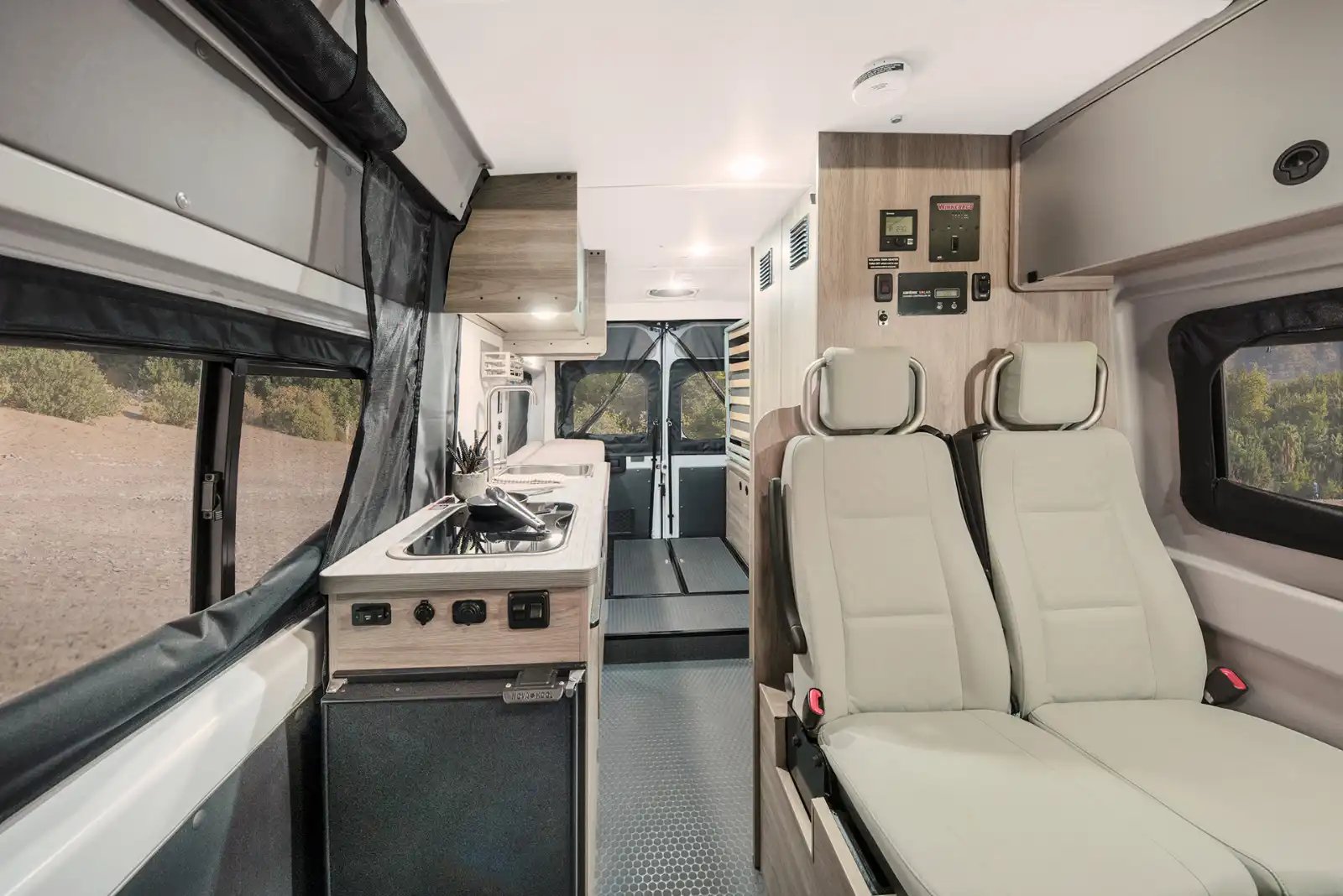
It all starts with that iconic pop-top roof, but the thoughtful design goes much deeper, right down to the systems that keep you comfortable and self-sufficient no matter where you park for the night. This blend of clever innovation and road-tested practicality is what makes the Solis a smart buy.
Let's be honest: the fiberglass pop-top is the first thing everyone notices. It’s not just for looks; it fundamentally changes what a van this size can be. Think of it as an instant second-story bedroom that appears whenever you need it.
With a quick push, a van that’s perfect for a couple suddenly becomes a rig that can comfortably sleep a family of four. This one feature has opened up van life to so many people who thought they'd need to buy a much larger, more cumbersome RV.
So, what makes the Solis pop-top so special?
-
A True Loft: Up top, you’ll find a surprisingly spacious sleeping area. It’s equipped with the comfortable FROLI sleep system, panoramic windows for amazing views, and zippered screens for a nice cross-breeze.
-
Built to Last: The fiberglass shell is tough. It’s designed to shrug off rain, wind, and whatever else the road throws at it.
-
Effortless Setup: Thanks to gas-assisted struts, one person can easily lift or lower the roof in about a minute. There’s no wrestling or complicated setup involved.
-
Serious Strength: The loft can hold up to 440 pounds, making it plenty sturdy for two adults.
This pop-top is the main reason you hear the Winnebago Solis camper van recommended for anyone needing more sleeping capacity than a typical Class B van can offer.
The ability to go from a two-person van to a four-person sleeper in under a minute is arguably the Solis's biggest selling point. It provides a level of flexibility that's hard to find anywhere else.
A lot of camper vans are really just "three-season" vehicles. The moment the temperature drops, they become unusable. The Solis, on the other hand, was engineered from day one to be a legitimate all-season adventure rig.
This isn't an accident; it's the result of some very deliberate design choices. First, all the water lines are routed inside the van's insulated living space, not underneath where they could freeze. It’s a simple detail that makes a world of difference, preventing a catastrophic plumbing failure on a cold mountain night.
The heart of the system is the Truma Combi eco heater. This efficient propane-powered unit is an all-in-one powerhouse, providing both cabin heat and on-demand hot water. Paired with heated drainage tanks, these systems make the Solis a reliable companion for year-round travel, from summer beaches to snowy ski resorts.
Winnebago didn't reinvent the wheel with the Solis; they built it on a foundation of proven components that just plain work. These are the features you come to appreciate day in and day out on the road.
-
The Ram ProMaster Chassis: The Solis is built on the dependable 3.6L V6 Ram ProMaster. Its front-wheel-drive setup offers great traction, and its surprisingly tight turning radius makes it a breeze to maneuver in city traffic or tight campsites.
-
A Clever Wet Bath: The onboard bathroom is a masterclass in using a small space effectively. It features a flexible showerhead and, crucially, a cassette toilet. This is a huge plus—instead of hunting for a dedicated RV dump station, you can empty the portable cassette in almost any public restroom. Total freedom.
-
Storage Everywhere: In a small van, every inch counts. The Solis is packed with smart storage solutions, from hidden below-floor compartments to modular shelving. You'll find a designated spot for all your gear, keeping the living space open and uncluttered.
Alright, let's talk about the bottom line: what's a Winnebago Solis really going to cost you? For anyone seriously shopping for a camper van, this is where the rubber meets the road. It’s crucial to look past the sticker price to figure out a realistic budget and know a good deal when you see one.
Think of the MSRP (Manufacturer’s Suggested Retail Price) as just a starting point. The final price you pay will be shaped by a handful of things that can really move the needle, like optional features, your dealership, and even the time of year.
The base Winnebago Solis comes pretty well-equipped right out of the factory. But let's be honest, most of us end up eyeing the options list to dial in the van for our specific style of travel. This is where the price starts to creep up.
Here are a few common add-ons that will affect what you pay:
-
Pop-Top Deletion: The pop-top is a signature feature, but if you don't need the extra sleeping space, you can sometimes get a credit for removing it.
-
Air Conditioning (on the 59P): On the shorter 59P model, adding A/C is a big decision. It's a great feature for hot climates, but you'll have to give up the pop-top to get it.
-
Fancy Wheels or Paint: Want your Solis to stand out? Upgraded wheels and premium exterior colors look sharp, but they'll add to the final tally.
Each of these choices lets you build your van, but it's a good idea to think hard about whether an upgrade is worth the cash for the kinds of trips you have planned. A family of four will probably find the pop-top non-negotiable, while a couple who sticks to cooler weather might skip the A/C and put that money elsewhere.
The RV market is a living, breathing thing—it has its ups and downs, and the Solis is right in the middle of it. We've seen some pretty wild swings in what people are paying over the last few years. This directly impacts the value of both new and used vans, and if you're paying attention, you can use it to your advantage.
Not long ago, during the peak of the post-pandemic RV craze, a new Solis with a pop-top could easily run you $150,000. Things have changed. With interest rates up and the market cooling off, prices have been coming back down to earth. We're now seeing used Solis vans with around 30,000 miles selling in the $80,000 to mid-$90,000 range. In some spots, you can even find brand-new models for just under $100,000.
That’s a massive shift in just a couple of years. It makes the Solis a much more attainable option for more people and really puts the pressure on other brands in the camper van world. You can keep a pulse on these shifts by checking out owner forums and discussions to see how the market for the Solis is evolving.
What does this mean for you? Your negotiating power is likely much stronger today than it was a few years back. Knowing these trends lets you walk into a dealership with the confidence to push for a better price.
The classic dilemma: should you buy new or used? With the Solis, it’s a genuine trade-off between getting the latest and greatest or saving a good chunk of change. A shiny new Solis gives you that full factory warranty, the most current Ram ProMaster chassis, and, of course, that new-van smell.
But a gently used Solis can be an incredible value. The first owner has already taken the biggest depreciation hit, so you can get a well-cared-for, adventure-ready van for a lot less money. If you go the used route, just be sure to do your homework. Ask for maintenance records, check the mileage, and get a good look at the onboard systems like the Truma Combi heater and the solar setup to make sure everything is in good working order.
In the end, it's all about finding the right van for you at the right price. By researching the current market, understanding how options affect the cost, and weighing the pros and cons of new versus used, you'll be in a great position to make a smart buy and get a fair deal on your Winnebago Solis.
Let's be real: no RV is a perfect fit for everyone. The best way to know if you're making the right choice is to look at a rig with clear eyes, understanding both what it does brilliantly and where you might have to compromise. The Winnebago Solis camper van gets a whole lot right, but knowing its strengths and trade-offs is what turns a good purchase into a great one. This is about making sure the van fits your adventure style, so you can hit the road with confidence.
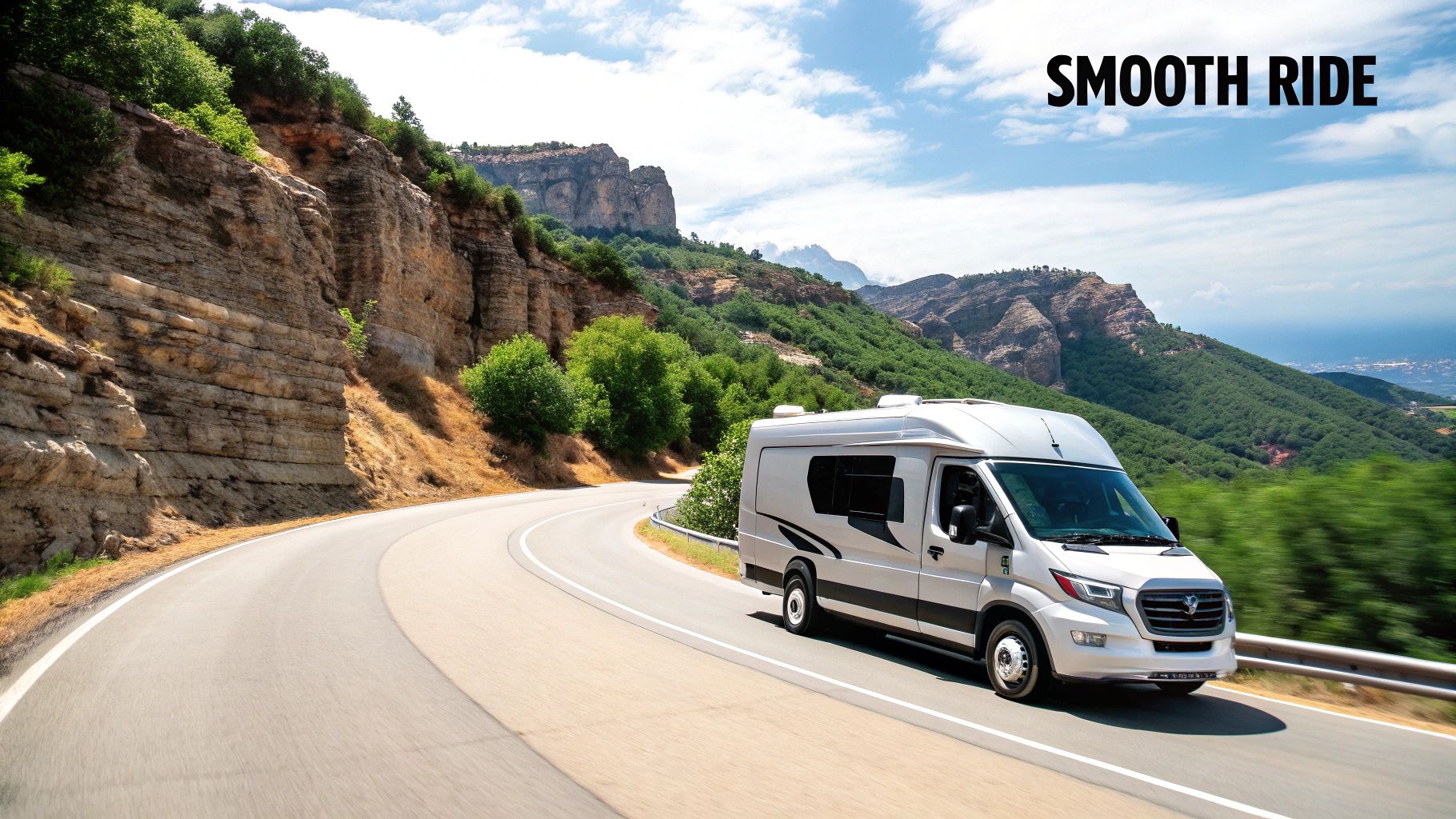
First up, the good stuff. The Solis didn't get this popular by accident. Owners rave about how versatile and easy it is to drive, which makes it an incredible gateway into the world of van life.
One of its biggest claims to fame is its genuine four-season readiness. Thanks to well-insulated water lines and a robust heating system, the Solis isn't just for sunny days. It’s a true year-round adventure machine, opening up a world of winter camping and snowy mountain getaways that are off-limits for many other Class B vans.
Here are a few more things owners consistently love:
-
Family-Friendly Capacity: That pop-top roof is an absolute game-changer. It lets you comfortably sleep up to four people without a massive footprint, making van life a real possibility for small families.
-
Maneuverability: Driving a Solis feels less like piloting a lumbering RV and more like handling a large van. It’s surprisingly easy to park in a normal spot and navigate through city streets, which takes a lot of stress out of the travel day.
-
Trusted Brand: Buying a Winnebago gives you the backup of a huge dealer network and a long-standing reputation for quality. When you're far from home, that peace of mind is worth its weight in gold.
Alright, now for the other side of the coin. To pack so much function into a compact van, Winnebago had to make some clever design choices. It’s crucial to know what these are and decide if they work for you. Think of these less as "cons" and more as "considerations."
The most common point of discussion is the wet bath. It’s an ingenious way to save space, combining the toilet and shower into a single waterproof room. It gets the job done, but it’s definitely cozy. Compared to the separate, roomier dry baths in larger RVs, it can feel a bit tight for daily use. For some, it's a perfectly acceptable trade-off; for others, it’s a deal-breaker.
A common sentiment among owners is that you quickly adapt to the van's unique quirks. The key is knowing what those quirks are before you buy, ensuring there are no surprises on your first big trip.
Beyond the bathroom, a couple of other realities of van life come into play. Interior living space is, by its very nature, at a premium. When the sun is shining, the whole outdoors is your living room. But on a rainy day with four people stuck inside, things can get snug pretty quickly. It just requires a bit more planning and organization than you'd need in a sprawling Class C motorhome.
Finally, let's talk about the drive itself. The Ram ProMaster chassis is a reliable workhorse with a fantastic turning radius. But as a front-wheel-drive van, it has a different feel than the rear-wheel-drive trucks or SUVs many people are used to. Some drivers love how nimble it is, while others find it takes a little time to adjust to its road manners. There’s no substitute for a good, long test drive to see how it feels to you from behind the wheel.
https://www.youtube.com/embed/RC9rBD9fNUE
After digging into all the features, floorplans, and real-world feedback, we get to the big question: is the Winnebago Solis the right adventure rig for you? Honestly, it all comes down to your budget and travel style.
Let's break it down by looking at a few different kinds of RV buyers to see where the Solis really shines.
Are you part of an Adventurous Family of four? If your main goal is getting enough sleeping space without upgrading to a massive Class C motorhome, the Solis is a game-changer. That iconic pop-top loft isn't just a gimmick; it’s a second bedroom with the best view in the campground.
Or maybe you’re more of a Weekend Warrior. You want a van that's nimble enough for spontaneous getaways but can also handle the daily commute or a run to the grocery store. The compact Solis 59P is your perfect match. It handles city streets like a champ and slides into regular parking spots, yet it’s ready for adventure the second you are.
Then there’s the Long-Haul Explorer. You're the one planning multi-week trips, and you need to bring all the toys—bikes, kayaks, climbing gear, you name it. For you, the Solis 59PX is the clear winner. Its dedicated "gear garage" and standard air conditioner were built for your kind of travel, giving you the storage and comfort needed to stay on the road for the long haul.
The Solis has earned its place in the camper van world by being incredibly versatile. That pop-top is a huge draw, but its all-season insulation and the choice between the nimble 59P and the gear-focused 59PX make it a serious contender for a lot of people.
It's also smart to look at the bigger picture. The RV market went wild during the pandemic, and Winnebago's order backlog swelled to an incredible $4.37 billion in 2022. That boom was followed by a major market cooldown, with wholesale RV shipments plummeting by nearly 50% in 2023. This just goes to show that while the Winnebago Solis camper van is a fantastic vehicle, its price and availability can be influenced by these larger economic shifts. You can read up on these market changes and Winnebago's strategy to get a better sense of the landscape.
The only way to truly know if it's the right fit is to get inside one. Reading reviews and watching videos helps, but nothing beats sitting in the driver’s seat, testing out the pop-top, and picturing your own gear in the back.
Ultimately, the final decision is yours. We’ve given you the specs, the features, and the honest pros and cons. The next step is to get out there. Find a local dealer, schedule a tour, and step inside a Solis. See if it feels like your next home on wheels.
Alright, let's tackle some of the most common questions that pop up when people are seriously shopping for a Winnebago Solis. After you've gone through the specs and floorplans, these are often the practical, real-world details that make or break a decision.
You bet. The Solis was practically born for boondocking. Winnebago designed it from the ground up to be self-sufficient when you're far from the nearest campground. The pop-top models even come standard with a 220-watt solar panel to keep your dual AGM batteries topped off.
A few key features really make it shine for off-grid living:
-
Cassette Toilet: This is a game-changer. You aren't tied to finding an official RV dump station, giving you a ton more freedom.
-
Insulated Water Systems: With all the water lines tucked inside the heated van and a heated drainage system, you can confidently camp in colder weather without worrying about frozen pipes.
-
Truma Combi Eco: This single, efficient propane unit handles both your hot water and your cabin heat, sipping fuel so you can stay out longer.
Most Solis drivers report getting somewhere in the 15 to 18 miles per gallon range. Of course, that number will wiggle a bit depending on your driving habits, whether you're climbing mountains or cruising on the highway, and how much gear you've loaded up. For a fully-loaded Class B van, the Ram ProMaster chassis actually does a pretty respectable job on fuel.
Not at all. It's one of those things that looks more intimidating than it is. While it's a manual system, powerful gas struts do almost all the work. One person can easily pop it up or pull it down in under a minute. The ladder is rated for 220 pounds, and the loft bed itself can hold a solid 440 pounds.
I talk to a lot of new owners who are pleasantly surprised by how simple the pop-top is. Setting it up becomes second nature after just a couple of tries. It’s designed to be quick and easy, not a wrestling match when you get to your campsite.
This user-friendly design means you'll actually use the extra sleeping space, making it a truly practical choice for families or anyone who likes to bring friends along on their adventures.
Ready to see if the Winnebago Solis is the right adventure vehicle for you? At SearchShop.com, we provide the tools to analyze prices, read reviews, and search thousands of listings to help you make the perfect choice. Explore your options and start your journey today by visiting us at https://www.searchshop.com.

