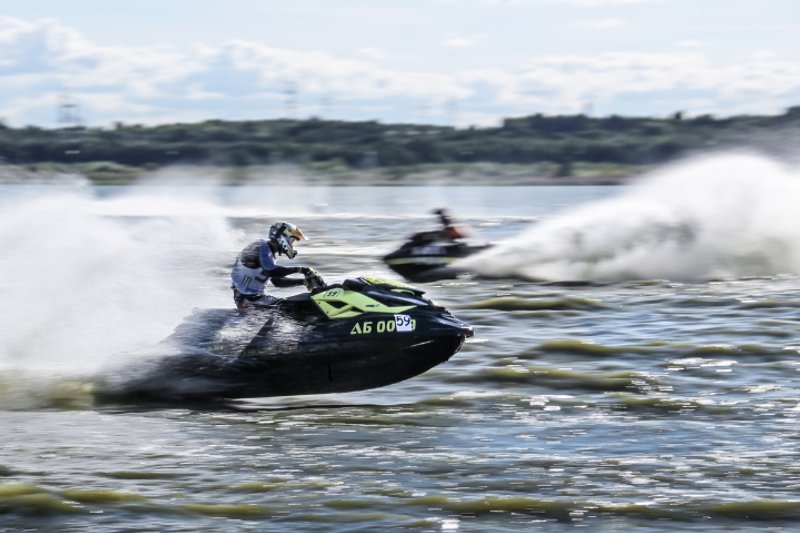
Selling a personal watercraft (PWC) can be a complex process, especially when transferring USCG documentation. Many PWC owners find themselves wondering what paperwork is needed to sell a boat and how to navigate the USCG-documented vessel change of ownership. The US Coast Guard documentation transfer process is crucial for ensuring a smooth and legal transaction, but it can often seem daunting to sellers unfamiliar with the requirements.
This article aims to simplify the USCG documentation transfer process for PWC sellers. It will explore the essential aspects of USCG documentation for PWCs, guide sellers through preparing their vessels for transfer, and provide a step-by-step walkthrough of the documentation transfer procedure. By understanding these key elements, sellers can confidently navigate the process, ensuring a hassle-free transfer of ownership and compliance with all necessary regulations.
USCG Documentation is a national form of registration for vessels, dating back to the 11th Act of the First Congress. It provides conclusive evidence of nationality for international purposes and allows for unhindered commerce between states. For personal watercraft (PWC) owners, it's crucial to understand that PWCs are considered Class A inboard motor vessels by the Coast Guard and must adhere to the same regulations as other powerboats in this category.
To be eligible for USCG Documentation, a vessel must meet specific criteria:
- Measure at least five net tons
- Be wholly owned by a U.S. citizen
- Have a hull number
- Owners must have filled out an application for documentation with the USCG
Generally, boats 25 feet or larger qualify for documentation regardless of weight. Smaller vessels like tenders or dinghies typically only require state titling. However, if a U.S. citizen plans to operate any vessel in foreign waters, regardless of size, it must be documented by the USCG.
USCG Documentation offers several advantages for PWC sellers:
Proof of Ownership: Documentation provides solid evidence of vessel ownership, which can be beneficial during future transactions.
Easier Titling and Registration: Having a documented vessel simplifies the process of titling and registering the boat for future owners.
Access to Hull Insurance: Proper documentation makes it easier to obtain hull insurance, which covers damage to the boat and its crew or passengers.
International Travel: A Certificate of Documentation is internationally recognized, making it easier for American vessels to enter and leave foreign ports.
Aesthetic Considerations: Documented vessels don't need to display state registration numbers, which some owners prefer for aesthetic reasons.
Financing Benefits: Many lenders require vessel documentation because documented vessels qualify for preferred mortgages, and the Coast Guard cannot make ownership changes without the lender's consent.
For PWC sellers, understanding USCG Documentation is essential to ensure compliance with regulations and to maximize the benefits of their vessel's status. It's important to note that while documentation offers these advantages, PWCs must still adhere to state-specific regulations, such as registration and display of registration numbers.
Transferring ownership of a documented vessel can be a complex process, especially for first-time boat owners. To ensure a smooth USCG documentation transfer for personal watercraft (PWC), sellers need to prepare thoroughly by gathering the necessary documents and addressing any existing liens.
To initiate the transfer process, sellers must collect several essential documents:
Vessel Title Paperwork: This is a fundamental requirement for the transfer.
Bill of Sale: A copy of the bill of sale or another document proving the transaction is necessary. In the case of a gift, a gift letter would suffice.
Certificate of Documentation: While it doesn't need to be current for the transfer, this document acknowledges the vessel's registration with the USCG.