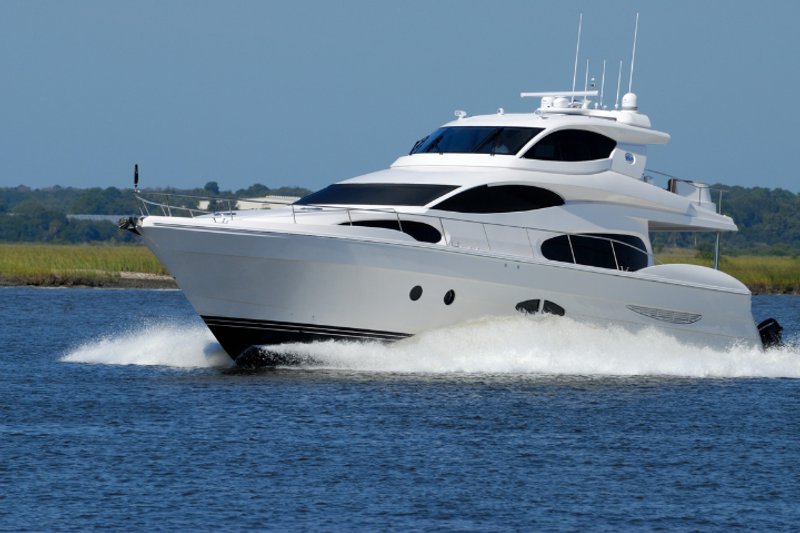
Selling a used boat can be a complex process, especially when determining the right price. Boat owners often struggle to balance maximizing their return and attracting potential buyers. This challenge has led many to seek out reliable methods to compare boats and estimate their vessel's value accurately.
To price a used boat effectively, several key factors come into play. Researching market values provides a solid starting point while assessing the boat's condition helps refine the estimate. Additional elements, such as included equipment and upgrades, also have an impact on the final price. By considering these aspects, sellers can set a competitive price that reflects their boat's true worth in the current market.
To determine a fair price for a used boat, thorough market research is essential. This process involves several key steps to gather comprehensive information about the boat's value.
Online pricing guides serve as valuable resources for boat owners. There are platforms that provide current market values for various boat models and years and they offer a solid starting point for pricing assessments. However, it's important to remember that these resources should be treated as guides rather than definitive pricing sources.
Examining comparable listings in the local area helps gauge the current market. Boat owners can utilize platforms like Boat Trader and Boats.com to view similar vessels for sale. This analysis provides insights into asking prices and helps position the boat competitively in the market.
Attending boat shows and visiting local dealers offers firsthand experience of pricing trends and demand. This direct interaction with the market provides valuable insights that online research alone may not capture. Additionally, dealers may have access to more detailed sales history and pricing information.
By combining these research methods, boat owners can develop a well-rounded understanding of their vessel's market value, enabling them to set a competitive and fair price.
Assessing the cosmetic appearance of a boat provides valuable insights into its overall condition. Boat owners should carefully examine the hull, deck, and exterior surfaces for signs of wear, fading, or damage. It's crucial to look for cracks, discoloration, or peeling paint, as these may indicate underlying issues that need attention. Regular cleaning, waxing, and varnishing are essential to maintain a fresh and well-cared-for look, which can significantly impact the boat's value.
A thorough inspection of the boat's mechanical components is vital to ensure safe and reliable operation. This includes examining the engine, propulsion system, electrical wiring, and other critical systems for signs of wear, corrosion, or malfunctioning parts. Boat owners should pay close attention to the engine, checking for oil leaks, corrosion, or excessive wear. It's also important to test electrical systems, including lights, switches, and gages, to verify proper functionality.
Review Maintenance Records