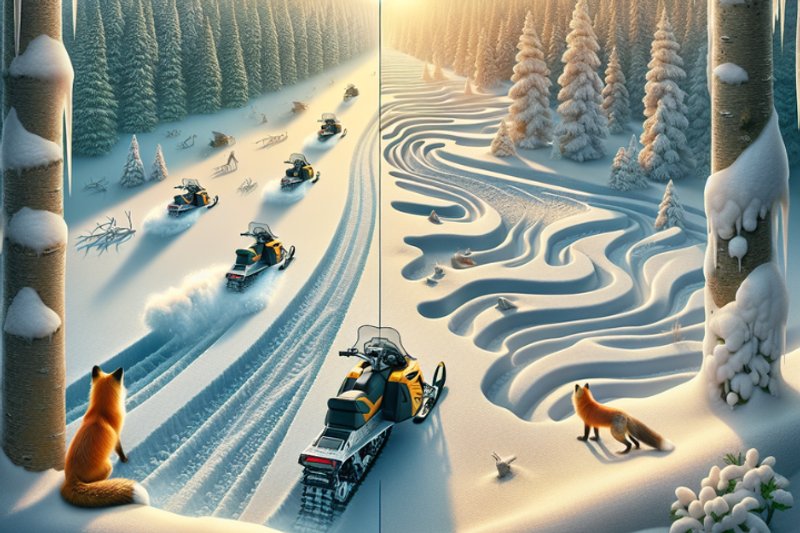
Snowmobiles have become a popular winter recreational vehicle, but their weight has a significant influence on the environment. The snowmobile's weight, which typically ranges from 400 to 600 pounds, plays a crucial role in determining its impact on ecosystems. This heavy machinery, designed to glide over snow-covered terrain, has sparked debates among environmentalists, outdoor enthusiasts, and regulatory bodies like the Environmental Protection Agency.
The weight of a snowmobile affects various aspects of the natural world, from soil compaction to wildlife disturbance. As snowmobiling gains popularity in areas such as Glacier National Park, understanding these effects becomes increasingly important. This article explores how much snowmobiles weigh and their environmental impact, examining the balance between recreational enjoyment and conservation efforts. It also delves into the unique challenges posed by snowmobiling on water and compares snowmobile cars to traditional models in terms of their ecological footprint.
Snowmobile weight has a significant influence on snow compaction, particularly in areas with thinner snow accumulations. Studies have shown that snowpack property changes are more pronounced when snow cover is shallow. However, when snowmobiles operate in deeper snow conditions, there is less difference in density, hardness, and ram resistance compared to areas without snowmobile use.
Contrary to common belief, snowmobile use may decrease soil erosion in some cases. The weight distribution of snowmobiles over a wide area results in lower pressure per square inch compared to a person on foot. This unique characteristic helps minimize the impact on underlying soil structures.
The impact of snowmobiles on vegetation varies depending on snow depth and plant types. When snow cover exceeds 3 inches, there are typically no detrimental effects on grass or vegetation stands, their vigor, or yield. However, in snow-free areas, damage can be severe to lichens, Selaginella, and rigid cushion plants. Plants with small stature, little woodiness, or well-protected buds at or below the soil surface are better able to survive snowmobile impact.
Snowmobiles have a significant impact on wildlife, causing elevated heart rates and increased glucocorticoid stress levels. Studies show they can increase white-tailed deer heart rates by 2.5 to 2.9 times their normal rates. This stress can lead to suppressed immune function and disrupted hormonal activity in animals.
Wildlife responses to snowmobiles vary from apparent disinterest to flight. Large ungulates like caribou can be disturbed by snowmobiles from distances over 1250 feet. Interestingly, some animals, such as deer and wolves, use snowmobile trails for easier travel, which reduces their energy expenditure but increases the risk of collisions.
Snowmobile trails can create edge effects in habitats, altering the forest interior and potentially increasing the presence of aggressive edge-adapted species. This habitat fragmentation can lead to changes in animal populations and community dynamics. Additionally, snow compaction from snowmobiles can negatively affect small mammals living in the subnivean space, potentially causing increased metabolic rates and restricted movement.
Sustainable snowmobiling aims to balance recreational enjoyment with environmental protection. The Fédération des clubs de Motoneigistes du Québec (FCMQ) has adopted a Sustainable Snowmobiling Action Plan with seven objectives. These include mobilizing clubs and members, encouraging green technology research, and integrating sustainable development into communication strategies. Responsible behaviors for snowmobilers include proper garbage disposal, maintaining snowmobiles to reduce emissions, and avoiding animal disturbance.