
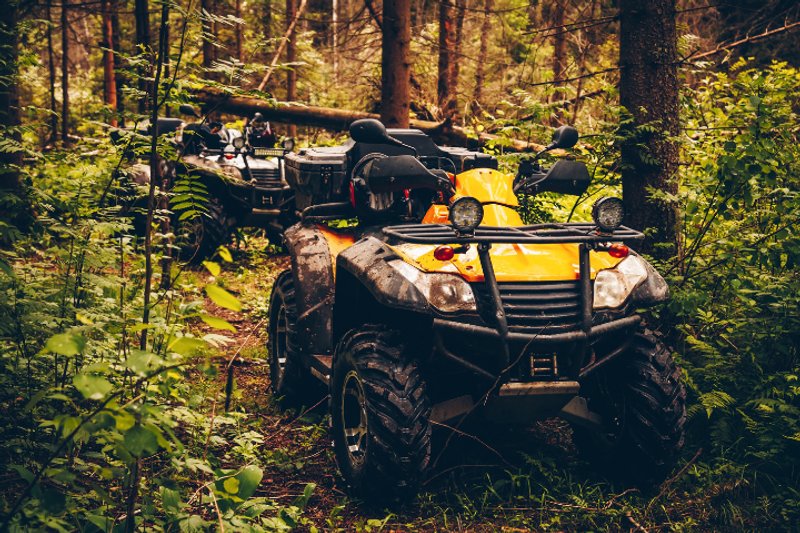
When it comes to selling an ATV,understanding its value is crucial. ATV values play a significant role in the off-road vehicle market, affecting buyers and sellers. Knowing the worth of an all-terrain vehicle helps owners make informed decisions about pricing, maintenance, and potential upgrades.
This guide delves into the factors that influence ATV values, including depreciation, market trends, and condition assessment. It explores resources like Kelley Blue Book for ATVs and examines how to determine fair market value for used ATVs. Additionally, the article provides insights on maximizing resale value and the importance of proper documentation, such as an ATV bill of sale.
By the end, readers will have a comprehensive understanding of ATV and UTV values to navigate the used ATV market confidently.
Understanding Atv Depreciation
Depreciation is an important factor to consider when owning an ATV. It refers to the decrease in value an object experiences over time, and for ATVs, this process begins immediately upon first use. Understanding how ATVs depreciate can help owners make informed decisions about their vehicles.
Initial Depreciation
ATVs typically experience notableinitial depreciation in the first few years after purchase. Estimates suggest that ATVs may lose between 15% to 20% or more of their value annually during this initial period. The most substantial depreciation tends to occur in the first year or so of operation. However, it's worth noting that ATVs and UTVs generally don't depreciate as quickly as cars. Many four wheelers and side by side ATVs don't start to lose value until roughly three years after their first use, depreciating between 10% and 25% every year during this time.
Long-Term Value Retention
After the initial period of rapid depreciation, the rate typically slows down. ATVs might lose around 5% to 10% of their value annually in subsequent years. Interestingly, after about three years, the value of many ATVs and UTVs tends to remain relatively stable. This long-term value retention can be influenced by several factors, including the brand and model of the ATV.
Factors Accelerating Depreciation
These are the several factors that can influence the rate at which an ATV depreciates. It is important to know when selling an ATV:
- Usage and Mileage: The more an ATV is used and the higher its mileage, the faster it tends to depreciate. The price is decided based on that.
- Condition: Regular maintenance and proper care can slow down the depreciation process. An ATV in good condition will typically retain its value better than one showing signs of wear and neglect.
- Brand and Model: More well-known brands, like Honda and Yamaha, are often in higher demand and may depreciate more slowly. They are also better in terms of performance.
- Engine Size: Smaller ATVs and UTVs, particularly those with 100cc engines and smaller ones, tend to depreciate faster in the first three years. Larger vehicles with 500cc engines and bigger ones typically depreciate more slowly over time.