Page failed to load

Your browser has outdated cached files that are preventing this page from loading.

Click Clear Cache & Reload to fix this, or try a private/incognito window.

Searchshop Home
Find a DealerFinancing
|||
Browse Vehicles
  • ATVs & UTVs
  • Autos
  • Boats & PWCs
  • Motorcycles
  • RVs
  • Snowmobiles
Resources
  • How It Works
  • Dealers
  • All Resources
  • Top 10 Dealers USA
  • Financing
  • Buying Guides
  • Vehiscore™
Company
  • About Us
  • Contact
  • Advertise With Us
  • For Suppliers
  • Insurance
  • Privacy Policy
  • Terms of Service
  • Return Policy
  • Site Map
Searchshop Deal Radar

Know when the price drops.

Weekly deal alerts on RVs, boats, autos, cycles, and more — delivered to your inbox before they sell.

Price drop alertsNew listing picksHidden gems & steals

Free · No spam · Unsubscribe anytime

About Searchshop

Searchshop is committed to improving the vehicle buying experience for everyone, by offering a large selection of new and used vehicles with transparency to help consumers make the right choices. Use our tools to analyze prices, read reviews, research pricing history, and search thousand of listings.

Connect With Us:

© 2026 Searchshop. All rights reserved.

Home
ATVs & Powersports
Articles
Owning & Maintaining an ATV
How to Avoid ATV Accidents: Safety Guidelines
Owning & Maintaining an ATV

How to Avoid ATV Accidents: Safety Guidelines

By Alana Azzouz13 min readAugust 1, 2024Updated January 2, 2026
How to Avoid ATV Accidents: Safety Guidelines

All-terrain vehicle (ATV) riding can be an exhilarating outdoor activity, but it also carries significant risks. ATV accidents are a great concern, usually resulting in severe injuries or fatalities. Understanding the importance of ATV safety and accident prevention is crucial for riders and their families. By following proper guidelines and taking necessary precautions, enthusiasts can enjoy this thrilling pastime while minimizing the chances of mishaps.


To reduce the risk of ATV accidents, riders must familiarize themselves with key aspects of safety. This includes knowing the relevant laws and regulations, obtaining a safety certificate where required, and using the right protective gear. The article will explore essential safety equipment, highlight the significance of rider training, and provide practical tips to avoid accidents. By implementing these measures, ATV enthusiasts can enhance their safety and make riding experiences more enjoyable and secure.

UNDERSTANDING ATV LAWS AND REGULATIONS

ATV laws and regulations vary significantly across states, making it crucial for riders to familiarize themselves with local requirements. These regulations typically cover age restrictions, registration requirements, and operating locations.

Age Restrictions

Age restrictions for ATV operation differ from state to state. For instance, in some areas, children under 16 are prohibited from operating ATVs on public lands unless they possess a valid safety certificate or are under the direct supervision of a certified instructor. Some states have even stricter rules, such as prohibiting children under 8 from operating ATVs anywhere except on private property. It's important to note that age restrictions may also be tied to engine size limitations. For example, 8 and 9-year-old operators might be restricted to ATVs with engine sizes of 70cc or less.

Registration Requirements

Most states require ATV registration. For example, in Pennsylvania, all ATVs must be titled and registered, with each vehicle having its own numbered plate that needs renewal every two years. Some states offer temporary registration options for non-residents. In Colorado, for instance, customers can use their emailed confirmation receipt as a temporary registration for up to 60 days until they receive their official registration card and decals.

Operating Locations

The permissible locations for ATV operation are strictly regulated. Generally, ATVs may be operated:

- On private property with the owner's consent

- On state-owned property on clearly marked and designated trails

- On main roads and streets when necessary to cross a bridge

- During periods of emergency when declared by a governmental agency


It's important to note that ATVs are typically prohibited on limited access highways or freeways, except for emergency travel as designated by the director of public safety. Some states allow ATVs on certain public roads under specific conditions. For example, in Florida, ATVs can be operated on unpaved roads during daylight hours at speeds under 35 mph.

ESSENTIAL SAFETY EQUIPMENT FOR ATV RIDING


Helmets and Protective Gear

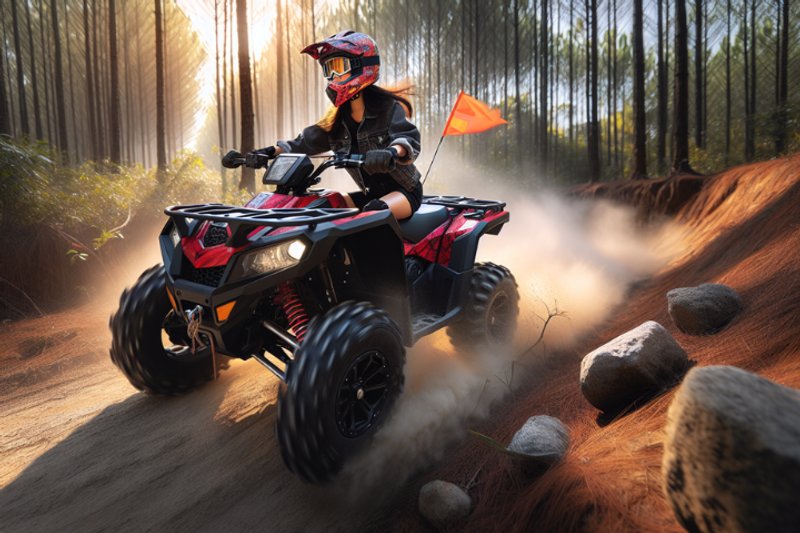
Proper protective riding gear is crucial for ATV safety. Riders should always wear a specialized ATV helmet to protect their head from potential injuries. These helmets should meet safety standards set by organizations such as DOT, NASI, or Snell. Some advanced helmets feature additional safety technologies like the Multidirectional Impact Protection System (MIPS), which helps reduce the risk of concussions.

In addition to helmets, riders should wear:

Enjoyed this article?

Share it with your fellow powersports enthusiasts and help spread the knowledge!

More ATV Reviews

  • Modified ATVs: How Badass They Can Be
  • Your Go-to Guide For ATV Safety Emergency
  • ATVs for Farming and the Modern Farmer
  • Best ATV Oils That Ensure Peak Engine Health
  • How to Clean an ATV: Tips to Extend Its Lifespan
  • Top 10 Essential Maintenance Tips for Your ATV